PSL Business Model – Broadcast, Sponsorships, & Tickets
According to estimates, PSL spends between 6 billion to 20 billion PKR each year. In the previous season when PSL league schedule, around 140 million PKR were allocated for the winning team, while hundreds of millions were distributed among the players. Naturally, this raises a common question among cricket fans that who invests this money, and how does the PSL generate revenue for the PCB?
To understand this system, let’s take a detailed look at the PSL Business Model.
Table of Contents
PSL Business Model
What we see on screen like the matches, players, and entertainment; is only the front end. Behind it lies massive management, investment, and planning to make the event successful.
A committee is first formed to plan and execute the event, followed by setting rules and financial structures that guide operations.
PSL then estimates its revenue generation through sponsorships. These are contractual agreements between the PCB and various companies, under which sponsors receive visibility, branding, and marketing rights in exchange for significant payments.
Similarly, broadcasting companies enter into deals for the exclusive rights to air matches and provide live coverage is another major source of income for PSL.
Title Sponsorship
Since 2015, the title sponsor of the PSL has been HBL, which is why the league is officially known as HBL PSL. The initial 2015–2025 deal was worth around 3.91 billion PKR, a portion of which goes to the Pakistan Cricket Board, while the rest is invested back into teams and event operations.
As the 2026 season approaches, new agreements are expected to be announced, potentially bringing new sponsors on board.
Official Sponsors
Beyond the title sponsor, the PSL has several official partners and advertisers who promote their brands through broadcasts, stadium banners, and digital ads. These sponsors form a key part of the overall PSL business ecosystem.
How Franchises Earn Money from PSL?
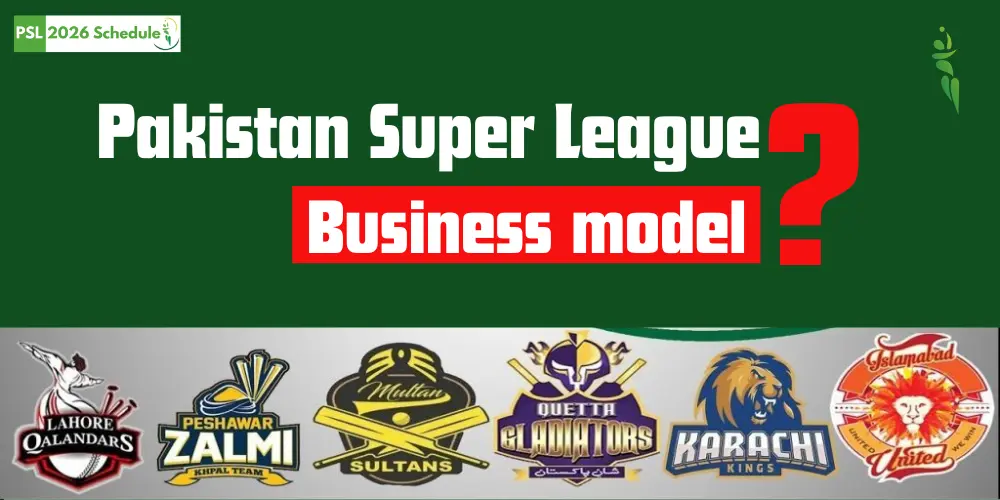
Each PSL franchise is owned by a company or business group under an agreement with the PCB. These owners handle team management, player salaries, travel, accommodation, and logistics but they also earn substantial returns.
Revenue streams for franchises include:
Jersey Sponsorships:
Each team’s jersey features 8–10 brand logos, and companies pay large sums to have their logo printed on players’ kits.
Ticket Sales:
A significant portion of the PSL’s total revenue comes from PSL tickets sales. Franchise owners receive around 95% of the ticket revenue share.
On average, PSL generates between 300 to 400 million PKR annually from ticket sales alone.